A Brief History of the Speakeasy
Speakeasies emerged during the Prohibition era in the United States (1920–1933), a time when the sale, production, and transportation of alcohol were banned under the 18th Amendment. Despite the law, the desire for nightlife, music, and connection didn’t fade—it simply went underground.
Hidden behind unmarked doors, in basements, or behind storefronts, speakeasies became secret sanctuaries for those seeking escape and indulgence. The term “speakeasy” came from bartenders’ advice to patrons to “speak easy” when ordering drinks, keeping their voices low to avoid drawing attention from law enforcement.
These spaces were more than just bars—they were cultural hubs. Jazz thrived in speakeasies, giving rise to the Harlem Renaissance and the careers of legendary Black musicians like Duke Ellington, Bessie Smith, and Louis Armstrong. The atmosphere was electric: smoky rooms, live music, flapper fashion, and a sense of rebellion wrapped in elegance.
Speakeasies also blurred social boundaries. They became rare places where people of different races, genders, and classes mingled more freely than in public life. Women, newly empowered by the 1920s social shifts, frequented these venues, embracing independence and style.
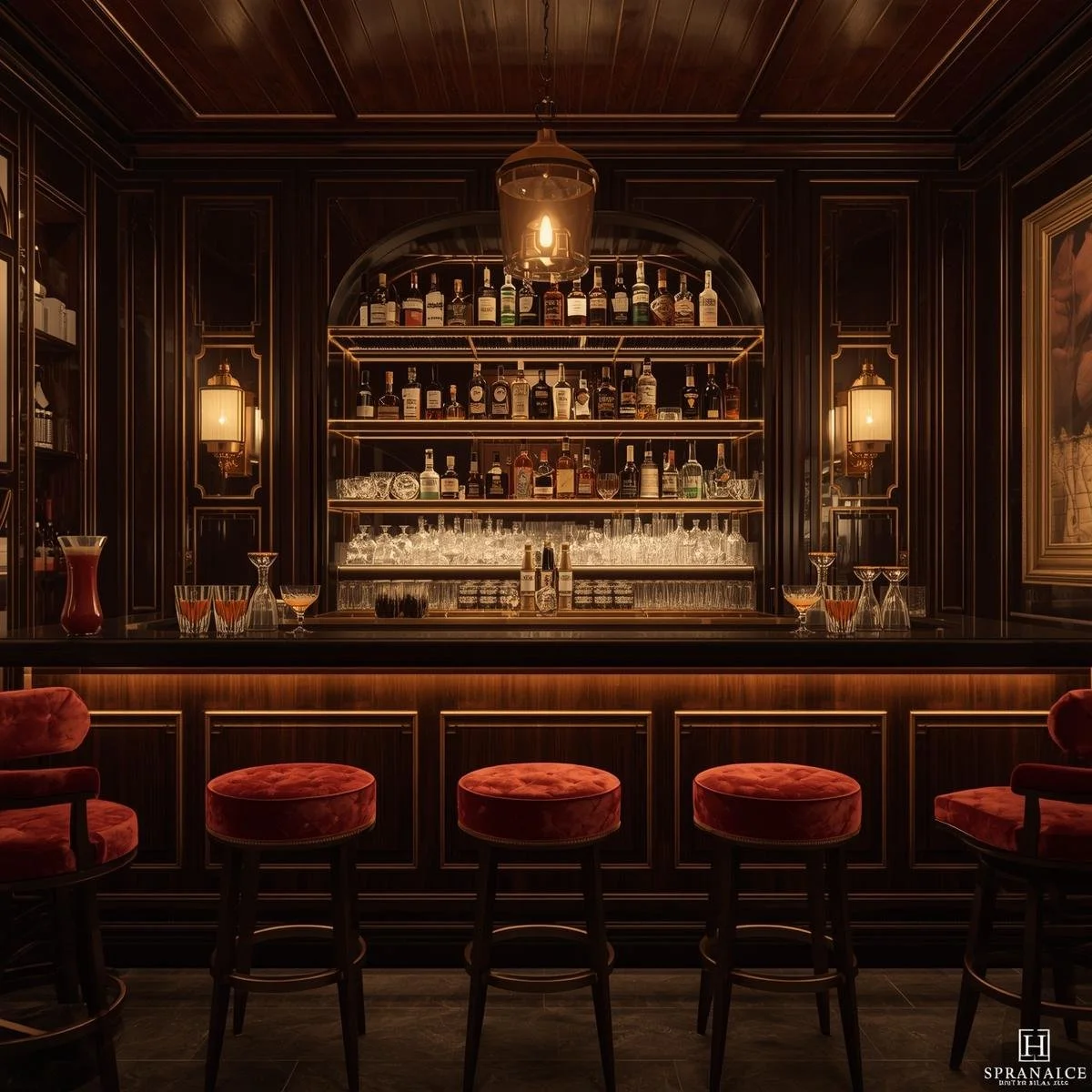
When Prohibition ended in 1933, many speakeasies disappeared—but their spirit endured. Today’s modern speakeasies pay homage to that era’s allure: hidden entrances, vintage décor, handcrafted cocktails, and an air of exclusivity. They remain symbols of resistance, creativity, and the timeless desire to gather, celebrate, and connect in secret.