Book Suggestions Are Welcome
Book Suggestions Are Welcome

Bad Feminist by Roxane Gay is a collection of essays that examine the complexities, contradictions, and personal dimensions of feminism in contemporary culture. Blending memoir, cultural criticism, and social commentary, Gay explores what it means to identify as a feminist while acknowledging personal imperfections and the challenges of living up to societal expectations of what a “good” feminist should be. The book covers a wide range of topics, including race, gender, sexuality, pop culture, politics, and privilege. Gay analyzes representations of women in media, discusses her experiences as a Black woman navigating predominantly white feminist spaces, and critiques the ways feminism is often simplified or commercialized. Through her candid and humorous voice, Gay argues that feminism should be inclusive, flexible, and human, allowing space for mistakes, contradictions, and growth. Bad Feminist ultimately redefines feminism as a movement that embraces imperfection while striving toward equality and justice for all.
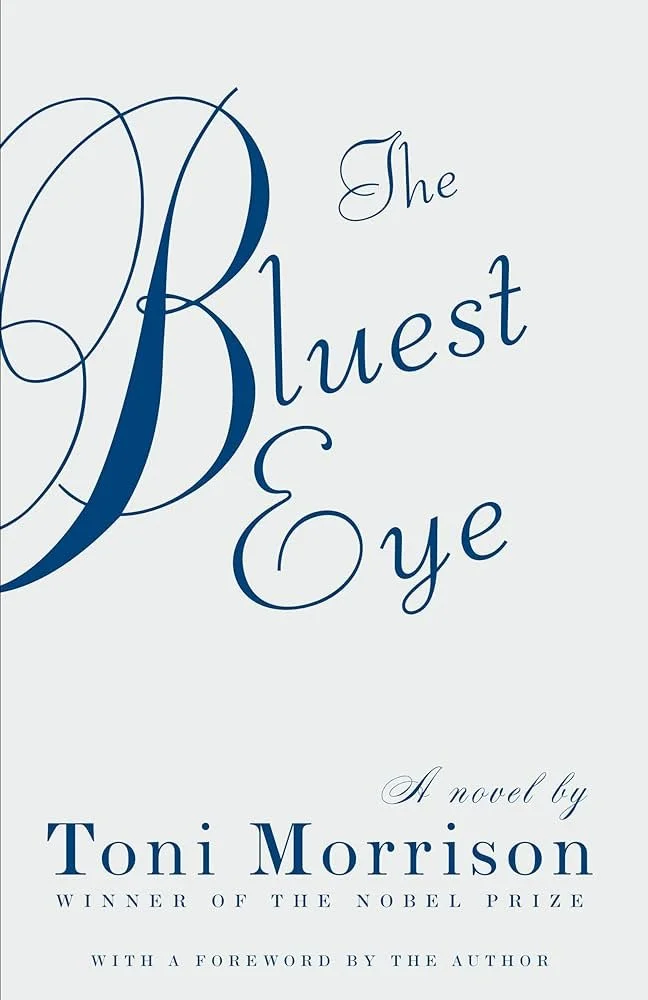
The Bluest Eye by Toni Morrison, published in 1970, is a powerful novel that examines beauty, race, and identity in mid-20th-century America. The story centers on Pecola Breedlove, a young Black girl growing up in Ohio who believes that having blue eyes will make her beautiful and loved. Through multiple perspectives, Morrison reveals how racism, colorism, and internalized self-hatred shape the lives of Pecola and those around her. The novel explores the devastating effects of societal beauty standards and the ways in which oppression seeps into family and community life. Written in Morrison’s lyrical, haunting style, The Bluest Eye is both a critique of cultural ideals and a deeply empathetic portrait of a child’s longing for acceptance and love.

Ain’t I a Woman: Black Women and Feminism by bell hooks explores how racism and sexism have worked together to oppress Black women throughout history. Hooks critiques both the feminist movement for centering white women and the civil rights movement for prioritizing Black men, showing how Black women were often left out of both struggles. She examines the lasting impact of slavery, stereotypes, and systemic inequality on Black women’s lives and identities. The book calls for an inclusive, intersectional feminism that values Black women’s voices, creativity, and leadership as essential to true liberation.